What Is Sleep Deprivation in Children?
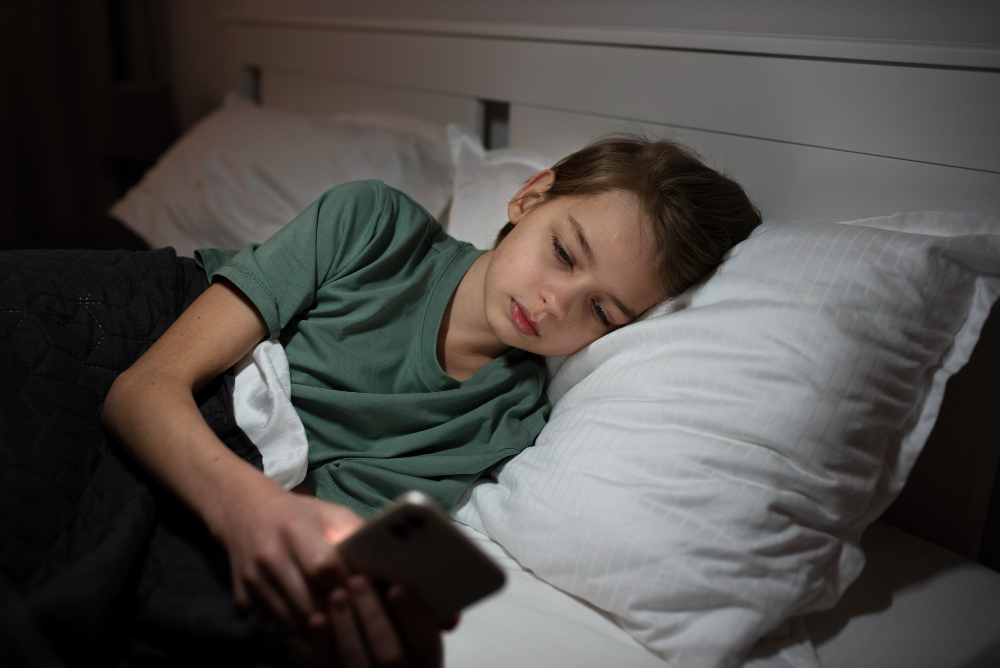
Sleep deprivation in children means they are not getting enough rest for their age. Many kids in the United States and around the world do not sleep as much as they need. Often, busy schedules, screen time, or stress can make it hard for children to get enough sleep. When kids miss out on sleep, their bodies and minds cannot work at their best. For healthy growth and learning, children need regular, good-quality sleep every night.
Why Is Sleep Important for Growth?
Sleep is vital for child growth and sleep helps the body repair itself. During deep sleep, the body releases growth hormone. This hormone is needed for bones, muscles, and tissues to grow. Also, sleep helps the brain process new information. Without enough rest, children may not grow as well as they should. In addition, sleep supports the immune system, helping kids fight off illness.
Effects of Sleep Deprivation on Physical Growth
When children do not get enough sleep, their bodies may not grow properly. For example, the lack of sleep can lower the amount of growth hormone released. This can slow down height and weight gain. Over time, sleep deprivation in children may lead to:
According to the CDC, children who sleep less are at higher risk for obesity and other health problems. Therefore, making sure kids get enough sleep is key for healthy growth.
Effects on Brain Development and Learning
Sleep is not just for the body. It is also crucial for the brain. When children are sleep deprived, their brains cannot process and store new information well. As a result, they may have trouble paying attention in school. In addition, lack of sleep can cause mood swings or behavior problems. Over time, sleep deprivation in children can lead to:
For healthy brain growth, children need enough rest every night. The American Academy of Pediatrics recommends that school-age children get 9–12 hours of sleep each night.
Signs and Symptoms of Sleep Deprivation in Kids
Sometimes, it is not easy to spot sleep deprivation in children. However, there are signs parents can watch for. For instance, children who do not get enough sleep may:
If you notice these signs, your child may not be getting enough sleep. Early action can help prevent long-term problems.
Tips for Healthy Sleep Habits
Good sleep habits can help children get the rest they need. Here are some simple tips for healthy sleep habits for children:
With these steps, you can support your child’s growth and well-being.
When to Seek Medical Advice
Sometimes, sleep problems do not go away with simple changes. If your child still has trouble sleeping, or if you notice changes in growth or mood, it is important to talk to a doctor. For example, a pediatrician can check for sleep disorders or other health issues. Early help can make a big difference in your child’s health and development.
If you are concerned about your child’s sleep or growth, consult a pediatrician for personalized advice.