
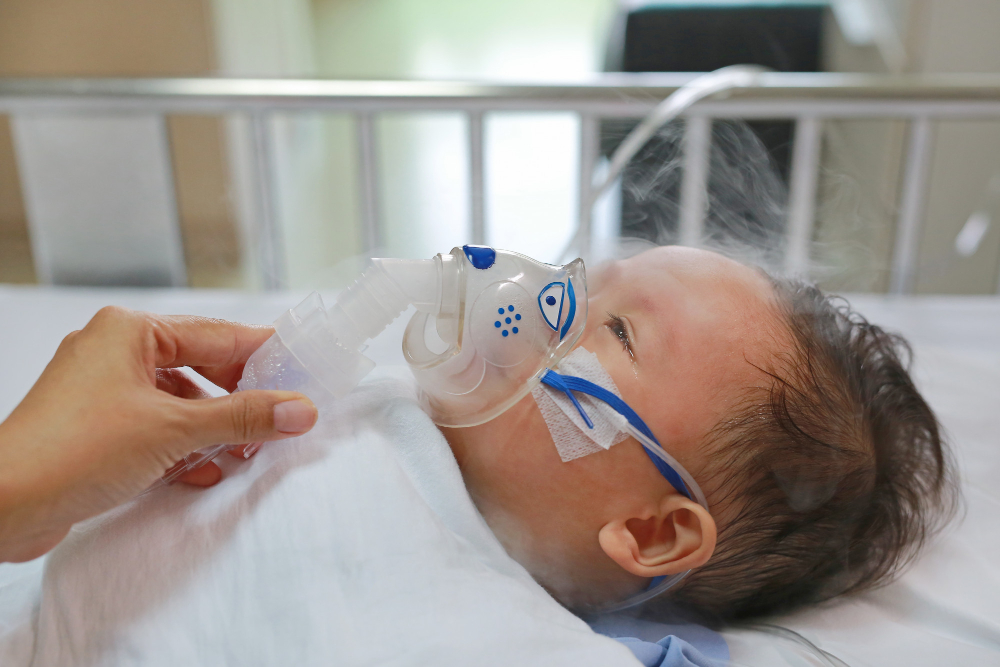
What is Bronchiolitis?
Bronchiolitis in infants is a common lung infection. It mostly affects babies under two years old. The illness causes swelling in the small airways of the lungs. Because of this, it can make breathing harder for young children. Usually, a virus like RSV (respiratory syncytial virus) causes bronchiolitis. According to the CDC, bronchiolitis is a leading reason for infant hospital visits during winter months. While most cases are mild, some infants may need medical care.
Why Infants Are at Risk
Infants are more likely to get bronchiolitis for several reasons. First, their immune systems are still developing. Because of this, they cannot fight off viruses as well as older children. Also, their airways are smaller, so swelling can block airflow more easily. For example, babies born early or with heart or lung problems face higher risks. In addition, attending daycare or having older siblings can increase exposure to viruses.
Key Symptoms of Bronchiolitis in Infants
It is important to know the signs of bronchiolitis in infants. Early detection can help prevent serious problems. Watch for these common symptoms:
Because symptoms can change quickly, keep a close eye on your baby. If you notice any of these signs of bronchiolitis, monitor your infant closely.
When to Seek Medical Help
Some symptoms mean you should call a doctor right away. For instance, if your baby:
In these cases, seek medical help without delay. Early treatment can prevent serious problems. If you are unsure, it is always better to call your pediatrician for advice.
Prevention Tips for Parents
While you cannot prevent all cases of bronchiolitis in infants, you can lower the risk. Try these simple steps:
Because viruses spread easily, these habits can help protect your child.
Conclusion and Next Steps
In summary, bronchiolitis in infants can cause breathing problems and other symptoms. Early signs include cough, runny nose, and trouble feeding. However, some symptoms need urgent care. Always watch your baby closely for changes. If you notice these symptoms in your infant, consult a pediatrician for personalized advice.